
A great pitch deck does more than look professional. It helps investors understand your business quickly, builds credibility, and communicates your story with clarity. Here’s why professional pitch deck design can have a meaningful impact on fundraising success.
Founders spend months refining their business before they ever start speaking to investors.
The product evolves. The market becomes clearer. The proposition gets sharper. Every conversation, customer meeting, and product decision helps strengthen the opportunity they’re taking to market.
Then, when it’s time to raise investment, all of that work needs to be put into a pitch deck. And that’s where many startups run into trouble.
Not because the business isn’t strong enough, but because the pitch deck doesn’t communicate that strength clearly enough.
The reality is that investors don’t have unlimited time. Most are reviewing dozens of opportunities every week, often making decisions within a matter of minutes. Before they’ve spoken to the founders, explored the product, or looked closely at the numbers, they’re already forming an impression based on the deck in front of them.
That’s why professional pitch deck design matters.
A well-designed investor pitch deck isn’t simply about making slides look better. It’s about making the opportunity for investors easier to understand, easier to remember, and ultimately easier to believe in.
If you’re reading this, you likely know what a pitch deck is. But Google says I need to have this section, so… a pitch deck is a presentation designed to explain your business to potential investors, partners, or stakeholders.
Typically, it covers the core elements of the company: the problem you’re solving, your solution, the market opportunity, business model, traction, competitive landscape, team, and fundraising requirements.
In theory, that sounds straightforward. In practice, it’s one of the hardest documents a founder will ever create.
Every business likely has far more information than can realistically fit into a presentation. The challenge is deciding what matters most and presenting it in a way that feels clear, compelling, and credible.
That’s why the best startup pitch decks don’t try to say everything. They focus on telling a story that helps investors quickly understand why this opportunity deserves their attention.
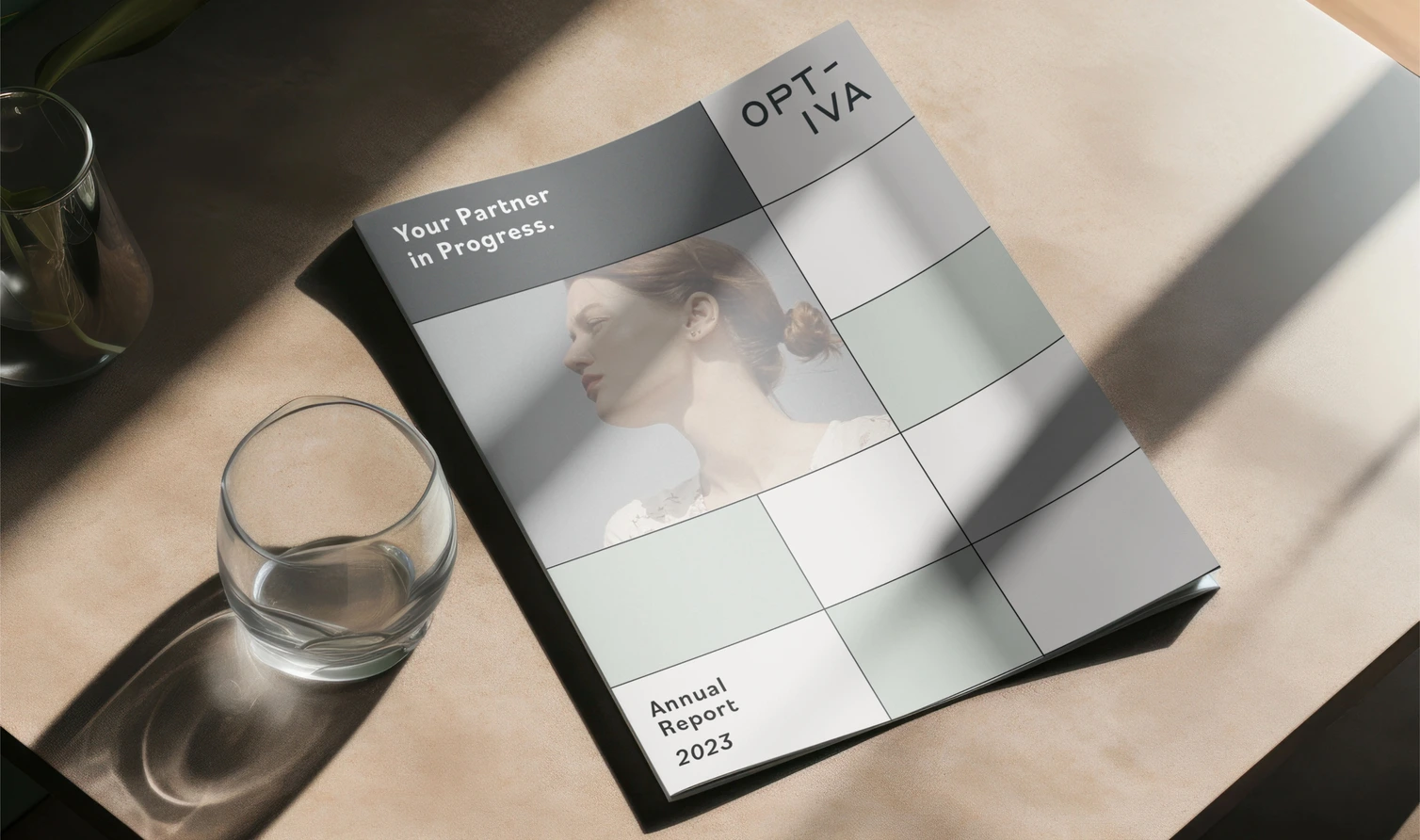
Many founders see design as the final layer. Something that happens after the content is finished. But, in reality, design plays a much bigger role than that.
A good pitch deck designer doesn’t simply make slides more attractive. They help shape how information is structured, prioritised, and understood.
Investors aren’t reviewing your deck in ideal conditions. They’re often scanning it between meetings, on a laptop, tablet, or phone, while comparing it against dozens of other opportunities. If your story is difficult to follow, packed with dense text, or visually overwhelming, they are unlikely to spend extra time trying to work it out.
Ultimately, clarity is key.
Professional pitch deck design helps investors understand your business faster by creating a logical flow, highlighting key information, and reducing the effort needed to follow the story. The easier it is for investors to understand the opportunity, the easier it becomes for them to engage with it.
Whether we like it or not, people make judgements – and therefore decisions – quickly.
The design of a pitch deck influences how investors perceive the business behind it. A presentation that feels organised, considered, and professional naturally creates more confidence than one that appears rushed or inconsistent.
That doesn’t mean investors are funding companies because they have attractive slides. What it does mean is that design influences perceived risk.
For early-stage startups in particular, investors often have limited information available. They may not have years of financial history, extensive customer data, or a proven track record to assess. As a result, smaller signals start carrying more weight.
A well-designed pitch deck suggests the founders understand communication, pay attention to detail, and take the fundraising process seriously. A poorly designed deck can unintentionally suggest the opposite.
Those perceptions aren’t always fair, but they are real. Think about a job interview. If a candidate arrived with excellent experience and strong credentials, but turned up in a tracksuit, it would inevitably influence your first impression.
The same principle applies to a pitch deck. Investors are evaluating the business, but they’re also making judgements about the people behind it and how seriously they’re approaching the opportunity.
One of the biggest misconceptions about pitch deck graphic design is that it’s all about aesthetics. It’s not.
The strongest investor pitch decks are usually the easiest to understand.
Why? Because good design helps simplify complex ideas. Rather than competing with the content, it supports it by:
This becomes especially important when communicating financial projections, market opportunities, product workflows, or technical concepts. Information that may take several paragraphs to explain can often be understood in seconds when presented visually.
That’s the real value of professional pitch deck design. It reduces friction between your business and the investor trying to understand it.
Having reviewed countless startup pitch decks over the years, there are a few mistakes that appear again and again.
Founders understandably want investors to see everything they’ve built, but cramming large amounts of text onto slides often has the opposite effect. Investors end up skimming, missing important points, or abandoning the deck altogether.
When every headline, chart, screenshot, and paragraph competes for attention, nothing stands out. Investors shouldn’t have to work out what’s important. Good pitch deck design guides attention naturally and makes key messages obvious.
Different fonts, colours, layouts, and visual styles can make a deck feel less professional than the business itself. Investors may not consciously notice these inconsistencies, but they often influence how polished and credible the company appears.
Many pitch decks contain plenty of facts but lack a compelling story. Investors need data, but they also need context.
Why does this problem matter? Why now? Why is this team the one to solve it? Great pitch deck design helps connect those pieces into a journey that feels logical, persuasive, and easy to follow.

In some situations, yes.
If you’re validating an idea, raising a small friends-and-family round, or still refining your proposition, creating the first version yourself often makes sense. The process can help clarify your thinking and sharpen your story.
However, once the narrative is established, bringing in a professional pitch deck designer can significantly improve the final result.
The founder’s job is to understand the business. The designer’s job is to communicate it effectively. Those are different skill sets.
Just like hiring an accountant or a lawyer, you’re bringing in specialist expertise to maximise the effectiveness of something important.
A professional pitch deck design agency becomes particularly valuable when the stakes are high.
If you’re raising a significant funding round, pitching venture capital firms, approaching institutional investors, or presenting to major partners, the quality of your deck can have a meaningful impact on how the opportunity is perceived.
But the value goes beyond making slides look better.
Professional pitch deck designers have worked across different industries, funding stages, and presentation formats. They understand what investors expect to see, what information deserves prominence, and where founders often overcomplicate the story.
That experience helps create a stronger balance between information and persuasion. Rather than overwhelming investors with detail, the deck becomes focused on the things that matter most.
Founders are naturally close to their business, which can make it difficult to decide what should be included and what should be left out.
An experienced pitch deck designer brings an outside perspective. They can identify where the story becomes unclear, where assumptions are being made, and where key messages are getting lost amongst less important information. The result is usually a clearer narrative and a stronger overall presentation.
Building a strong investor pitch deck can be surprisingly time-consuming. While founders should absolutely own the story, the messaging, and the strategy behind the raise, design refinement can quickly become a distraction from the fundraising process itself.
Working with a specialist allows founders to focus on investor conversations, business development, and preparing for meetings while the presentation is being developed professionally.
The best pitch decks don’t rely on walls of text. They use visual storytelling to make information easier to understand and remember.
Professional designers use layouts, charts, infographics, imagery, and visual hierarchy to communicate ideas more effectively. Complex information becomes simpler, key messages stand out more clearly, and the overall story becomes more engaging for the audience.
Ultimately, the goal isn’t simply to create a beautiful presentation. It’s to create a pitch deck that communicates your business clearly, builds confidence quickly, and gives investors a compelling reason to continue the conversation.
Remember, a pitch deck is often the first thing investors see.
Before they meet the founders. Before they explore the product. Before they evaluate the opportunity in detail. And that first impression matters.
Professional pitch deck design won’t compensate for a weak business model or an unclear proposition. But it can help ensure that a strong business is presented with the clarity, credibility, and confidence it deserves.
Because, ultimately, a pitch deck isn’t there to tell investors everything.
It’s there to make them want to learn more. And that is what the best pitch deck design achieves.
Already got funding? We’ve written about what you should do next in our article about what to do after a funding round.
More insights